Currently Empty: R0.00

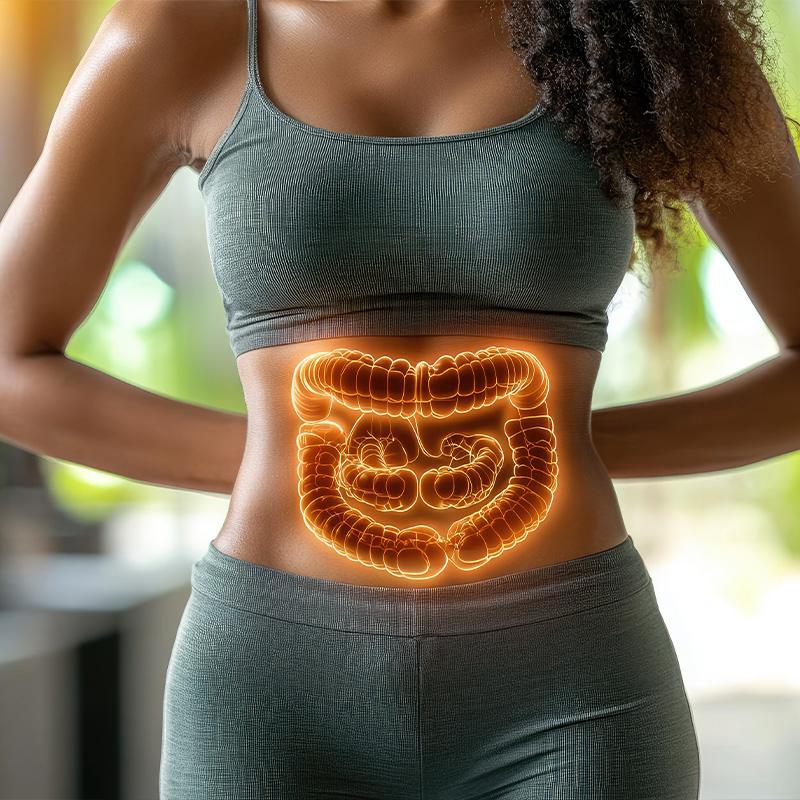
There is an old expression about having a gut feeling. As it turns out, that phrase is more literally accurate than most people realise.
Science has spent the last two decades catching up to what traditional medicine has long suspected: the gut is not simply a digestive organ. It is, in many ways, the control centre of the entire body. And when it is not functioning well, almost nothing else is either.
The second brain
Your gut contains approximately 100 million nerve cells – more than either the spinal cord or the peripheral nervous system. Researchers now refer to it as the enteric nervous system, and increasingly, as the body’s second brain. It communicates directly with the brain via the vagus nerve, influencing mood, cognitive function, stress response, and sleep quality in ways that are only beginning to be fully understood.
This is not a peripheral system. It is central to how you think, feel, and function every single day.
The gut is also home to trillions of microorganisms – bacteria, fungi, and other microbes – collectively known as the microbiome. This ecosystem plays a critical role in immune function, inflammation regulation, nutrient absorption, and even the production of neurotransmitters like serotonin. In fact, approximately 90 percent of the body’s serotonin – the neurotransmitter most associated with mood and emotional wellbeing – is produced in the gut, not the brain.
When the microbiome is healthy and diverse, the body tends to follow. When it is disrupted, the effects ripple outward into virtually every system.
What disrupts the gut
The modern lifestyle is, unfortunately, extraordinarily effective at disrupting gut health. Processed foods, antibiotic use, chronic stress, poor sleep, environmental toxins, and even the chlorine in tap water all affect the delicate balance of the microbiome.
Heavy metals are a particular concern. Accumulated over time through environmental exposure, certain food sources, and everyday pollution, heavy metals interfere with the gut lining and create conditions in which harmful microorganisms can thrive at the expense of beneficial ones. The result is a gut that is simultaneously inflamed and under-resourced – struggling to absorb nutrients efficiently even when those nutrients are present.
This helps explain a phenomenon that many people experience but rarely connect to gut health: eating well and still feeling depleted. If the gut lining is compromised or the microbiome is out of balance, the body simply cannot extract full value from what you consume. You may be doing everything right on the plate and still running on a fraction of the nutritional return.
The symptoms nobody connects to the gut
One of the reasons gut dysfunction goes unaddressed for so long is that its symptoms rarely announce themselves as digestive in origin. People seek treatment for the downstream effects – the anxiety, the skin conditions, the fatigue, the recurring illness – without ever addressing the source.
Some of the most commonly overlooked signs of poor gut health include persistent low energy, brain fog and difficulty concentrating, skin conditions such as eczema, acne, or dullness, frequent colds or slow recovery from illness, mood instability or heightened anxiety, food sensitivities that seem to be increasing over time, and disrupted sleep despite feeling genuinely tired.
None of these are inevitable. And many of them respond remarkably well when gut health is prioritised.
Supporting the gut from the inside out
The starting point is reducing the burden on the gut rather than simply adding to it. This means addressing the toxic load that accumulates over time – the heavy metals and environmental pollutants that compromise the gut lining and disrupt the microbiome – before layering in nutritional support.
From there, replenishing the minerals and trace elements that the gut needs to function optimally becomes the foundation. The gut lining regenerates continuously, and that regeneration requires raw materials. Calcium, magnesium, zinc, and a host of trace minerals all play roles in maintaining the integrity of the intestinal wall and supporting the environment in which beneficial bacteria thrive.
Consistency, as always, is everything. The gut microbiome responds to daily inputs – it is shaped by what you do repeatedly, not occasionally. Small, sustained habits compound into meaningful change over time.
Listening to your gut – literally
The gut feeling you have been ignoring may be more than intuition. It may be your body’s most sophisticated communication system trying to get your attention.
Poor digestion, persistent bloating, unpredictable energy, a mood that seems disconnected from your circumstances – these are not character flaws or signs of weakness. They are information. And the body that is sending those signals is capable of extraordinary recovery when given the right support.
Start with the gut. Everything else tends to follow.
Nordens Ultimate’s range is formulated to support your body’s foundational systems – from gentle daily detox support to mineral replenishment and gut-friendly nutrition. Explore the full range at Nordens.co.za.